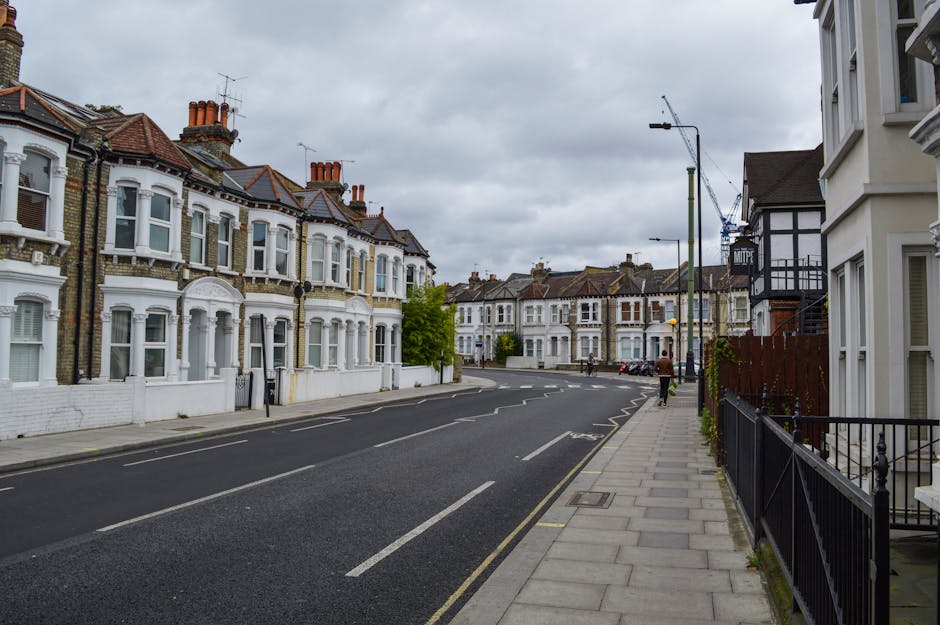
From Terraced Flat to Family Home: An Acton Move Story
Moving home in Acton can feel like a proper life shift, not just a change of address. One minute you are dodging boxes in a terraced flat, squeezing past a pram in the hallway, and wondering where on earth the winter coats will go. The next, you are picturing a family home with room to breathe, a kitchen table that does not need folding up after every meal, and maybe even a patch of garden that catches the afternoon sun. That is the heart of From Terraced Flat to Family Home: An Acton Move Story.
This guide is for anyone standing at that threshold. Perhaps you are moving from a compact flat into a larger house, or maybe you are helping a young family settle into Acton for the first time. Either way, the move is about more than furniture. It is about timing, access, planning, costs, stress levels, and making the move feel calm enough that you can actually enjoy the new space once you get there. Truth be told, that calm does not happen by accident.
Below, you will find a practical, human guide to the moving process in Acton: what matters, how it works, what usually goes wrong, and how to make the whole thing smoother. There are also local considerations, a comparison table, a real-world style example, and a checklist you can use before moving day gets loud and messy.
Why From Terraced Flat to Family Home: An Acton Move Story Matters
At a glance, moving from a terraced flat to a family home sounds straightforward: more space, fewer compromises, happier household. But in real life, it tends to be a layered project. In Acton, where streets can be busy, parking is often tight, and property layouts vary a lot, the move is as much about logistics as it is about lifestyle.
What makes this kind of move important is the shift in how you use your home. A flat is often built around efficiency. A family home needs flexibility. That means space for shoes, buggies, school bags, laundry, toys, home working, and the occasional quiet five minutes with a cup of tea. Not glamorous, but very real.
There is also the emotional side. Families often reach a point where the current place still works on paper, yet no longer works in practice. Maybe the stairs are awkward with children. Maybe the dining table has turned into a permanent storage zone. Maybe the noise carries through the walls and everyone is a bit fed up by 7 p.m. Moving is not just about square footage. It is about making everyday life easier.
In Acton, the move can also be shaped by local conditions. Terraced homes, narrow access roads, controlled parking, and proximity to busy routes all affect the timing and method of the move. That is why good planning matters so much. A move that looks simple from the sofa can become chaotic on the kerb if access has not been thought through.
Expert summary: The real value in a terraced-flat-to-family-home move is not just more rooms. It is better flow, less daily friction, and a home that can keep up with family life rather than fighting it.
How From Terraced Flat to Family Home: An Acton Move Story Works
The moving process usually starts long before the van arrives. First comes the decision stage: choosing the new home, agreeing dates, and estimating how much needs to move. Then comes the practical stage: decluttering, packing, measuring bulky items, and planning access. After that, the moving day itself is really just the final chapter of a much bigger story.
In a terraced flat, the main challenge is often space. Stairwells may be narrow, halls may be shared, and the route out may involve careful carrying rather than a simple straight line. In a family home, the challenge shifts to placement and setup. Where does the cot go? Which room becomes the office? How do you unpack without turning the whole house into a cardboard maze?
The best moves tend to follow a simple principle: reduce friction before it happens. That means making decisions early. For example, if the sofa barely fitted through the flat hallway when it was first delivered, it is worth checking door widths and stair turns in the new property before moving day. It sounds obvious, but people forget. More often than they should, to be fair.
Some households also choose to split the move. They might send non-essential items first, store a few large pieces temporarily, or use a man and van service for smaller loads and a larger vehicle for furniture and appliances. That kind of flexibility can be very helpful if completion dates are messy or school pickups cannot be ignored.
And because family life does not stop for a move, timing matters. School runs, work shifts, nursery hours, and access windows all need to be folded into the plan. It is never just about the boxes.
Key Benefits and Practical Advantages
There are a few clear reasons why people make this move, and they are not all about having "more room". The advantages are practical, emotional, and sometimes financial in a long-term sense.
- More usable space: A family home usually gives you proper zones for sleeping, working, eating, and storage.
- Better day-to-day flow: Less crowding means less friction in busy mornings and calmer evenings.
- Improved storage options: Cupboards, lofts, sheds, and spare rooms make organisation far easier.
- Room to grow: A new baby, older children, visiting relatives, or hybrid working becomes easier to manage.
- Better hosting and social life: There is a difference between squeezing guests around a fold-out table and opening the door to a home that feels ready.
- Longer-term suitability: The right house can reduce the need to move again too soon.
There is also a quieter benefit that people often notice only after settling in. Everyday noise reduces. People are less on top of one another. You stop hearing every spoon clink from the kitchen while someone else is trying to do homework. That kind of breathing space is hard to price, but families feel it immediately.
If the move is well planned, it can also reduce disruption. Good packing, sensible labeling, and proper access planning can turn a stressful event into a manageable one. Not easy, exactly. But manageable.
Who This Is For and When It Makes Sense
This type of move is especially relevant if you are:
- a couple expecting a child and outgrowing a smaller flat;
- a family with children who need more room, quieter routines, or outdoor space;
- someone working from home who needs a separate room, not just a laptop on the kitchen counter;
- a household that has simply reached the point where storage, layout, or privacy is no longer enough;
- a buyer or renter in Acton weighing convenience against comfort and long-term practicality.
It makes sense when the current home starts creating small daily annoyances that add up. A lack of storage. No place for coats. No proper area for a buggy. A kitchen that doubles as a hallway. Those details sound minor at first, then suddenly they shape the whole week.
On the other hand, a move may not be the right answer if the main issue is temporary. Sometimes a declutter, a furniture rethink, or a short-term storage solution buys you time. The sensible path is the one that fits your actual life, not the one that looks best on a spreadsheet.
And let's be honest, there is a difference between wanting a bigger house and being ready to move house. If your weekends are already packed and the thought of packing tape makes you sigh, it may be worth getting proper help rather than trying to do everything on your own.
Step-by-Step Guidance
Here is a grounded way to approach the move without letting it swallow your week.
1. Start with a realistic inventory
Write down what is actually moving. Furniture, white goods, boxes, garden items, bikes, fragile items, kids' things, and anything awkwardly shaped. A quick room-by-room list is better than guessing. The guesswork is where people get caught out.
2. Measure the difficult pieces
Measure beds, wardrobes, sofas, and large appliances. Then measure doorways, stairwells, hallways, and access points in the new home. If something is borderline, treat it as a problem worth solving early, not on the doorstep at 8 a.m. on moving day.
3. Declutter before you pack
There is no point paying to move items you do not want. Sort things into keep, donate, recycle, and dispose of responsibly. A lighter move is usually a better move. One less box can make more difference than people expect.
4. Choose the right support
Not every move needs the same setup. Some families need a full removal team. Others only need transport and lifting help. Services such as home moves, house removalists, or a man with van option may suit different budgets and property sizes. The key is matching the support to the job, not just picking the cheapest headline price.
5. Plan for access and parking
In Acton, access can shape the whole day. Think about parking, bays, loading space, stair access, and whether your street gets busy at school start or end times. If necessary, plan around the hardest part of the day, not the most convenient. A small adjustment can save a lot of chasing around later.
6. Pack by room and priority
Label boxes clearly. Put essentials aside separately: kettle, mugs, toiletries, chargers, medications, snacks, and a few changes of clothes. Nobody wants to spend the first night in a new family home hunting for a toothbrush while the children ask where the iPad charger is. That is just how it goes.
7. Protect the fragile and the awkward
Glass, mirrors, lamps, and antiques need proper wrapping and positioning. If you own delicate furniture or heirlooms, treat them as a special category. A little extra preparation is worth it. If you need more guidance on breakables, see practical advice in protecting fragile antiques in Acton terraced homes.
8. Unpack in the right order
Start with beds, the kitchen, and bathroom basics. Then move to children's rooms, work areas, and storage. It is tempting to open every box at once. Resist that urge. A structured unpacking order keeps the house livable, which matters more than looking finished on day one.
Expert Tips for Better Results
There are a few small decisions that can make a surprisingly big difference.
Use the room you live in most as your anchor. For many families, that is the kitchen-diner or living room. If that space is functional first, everything else feels more under control.
Keep a "do not pack" zone. Set aside the items you need right up to the move: chargers, passports, keys, snacks, and the paperwork you will definitely need at the worst possible moment.
Take photos before dismantling furniture. This sounds basic, and it is. But when you are rebuilding beds or modular units later, those photos save time and a fair bit of grumbling.
Book support early if your street is tight. Acton roads can be busy, and availability for popular dates can go quickly. If you are moving during a busy period, a bit of lead time helps. A lot.
Think about the first 24 hours, not just the move itself. The move is one day. Settling in is the next several days. Have bedding, toiletries, snacks, and simple meals ready so the new home feels welcoming rather than chaotic.
One small human observation: the families who seem least frazzled on moving day are rarely the ones with the fanciest plan. They are usually the ones with the clearest one-page checklist and a sensible approach to what can wait until tomorrow.
Common Mistakes to Avoid
Most moving problems are avoidable. Not all of them, but most.
- Underestimating volume: The "we do not have that much" surprise is a classic. Then you realise every drawer contains a small ecosystem.
- Leaving decluttering too late: Sorting as you pack is slower and far more tiring.
- Ignoring access issues: Tight staircases, parking restrictions, and long carries can turn a straightforward move into a slog.
- Not protecting floors and furniture: Scratches and scuffs are annoying, and avoidable with basic preparation.
- Poor label systems: A box marked "miscellaneous" is basically a future mystery novel.
- Forgetting the first-night essentials: Small but vital items should never be buried in the van.
- Trying to do too much alone: There is a difference between being hands-on and being overwhelmed.
A common mistake in family moves is treating every item like it must be unpacked immediately. It does not. Some things can wait. Prioritising is not laziness; it is good judgement.
Tools, Resources and Recommendations
You do not need expensive gear, just the right basics and a sensible setup.
- Sturdy boxes: Use a mix of small and medium boxes so they are liftable when full.
- Packing tape and labels: Simple, but they save a huge amount of time.
- Blankets and protective wrap: Useful for furniture, doors, and fragile surfaces.
- Trolley or sack barrow: Handy for heavier boxes and awkward items.
- Zip bags: Great for screws, brackets, and small fittings from dismantled furniture.
- Room plan sketches: Even a rough hand-drawn layout can prevent arguments on arrival.
If your move involves collecting large items, storing furniture, or moving heavy household pieces, it can help to look at services such as furniture pick-up, moving truck, or removal truck hire. These options are not identical, and that is the point. Different moves need different tools.
For people who want packing support, packing and unpacking services can reduce stress significantly. It is especially helpful when you are juggling children, work, or a tight completion window.
If you are still weighing up service levels, it is worth comparing options carefully rather than jumping at the first quote. This guide on how to compare Acton removals quotes is useful for understanding where the value really sits.
Law, Compliance, Standards, or Best Practice
For most household moves, the main compliance issues are practical rather than dramatic. You usually do not need to become a legal expert overnight, but a few basics matter.
First, check parking and loading arrangements. If a removal vehicle needs space on a controlled street or outside a restricted property, local parking or bay rules may affect the move. This is where advance planning matters. In some cases, residents arrange temporary parking permissions or work around existing restrictions. The details vary, so it is best to confirm what applies to your street before moving day.
Second, make sure the moving team, if you are using one, follows normal safety standards for lifting and handling. Heavy items should be lifted with proper technique and moved by enough people. It sounds obvious, but backs do not care about optimism.
Third, when disposing of unwanted items, be careful about local waste expectations. Household rubbish, bulky items, and reusable furniture may need different handling. A bit of sorting in advance helps avoid last-minute dumping, which nobody needs. For background on this, the practical guide on disposing household waste in Acton council rules is worth a look.
Fourth, if your move involves shared access, flats, or busy streets, be a considerate neighbour. Keep entrances clear, avoid blocking pathways for too long, and communicate where sensible. Good manners are not a legal requirement, exactly, but they help the day go more smoothly.
Options, Methods, or Comparison Table
Different households need different moving methods. Here is a simple comparison to help you decide what fits best.
| Option | Best for | Strengths | Watch-outs |
|---|---|---|---|
| Full home move service | Larger family moves with multiple rooms | Most support, less lifting stress, better for complex days | Usually higher cost than basic transport only |
| Man and van | Smaller loads or a few bulky items | Flexible, practical, often easier to book | May not suit very large households |
| Man with van | Medium moves needing loading help | Handy for local moves and mixed loads | Check capacity and handling support carefully |
| Truck hire | People who can load much of the move themselves | Useful if you want transport without full-service costs | You need enough help and time to load safely |
| Packing and unpacking support | Busy families or time-sensitive moves | Reduces pressure and speeds up setup | Best booked early and used with a clear plan |
If you want a quick rule of thumb: choose the most complete option when the house is full, the schedule is tight, or the access is awkward. Choose a lighter option when the move is small, local, and well controlled. Simple enough, though the reality is usually a bit messier.
Case Study or Real-World Example
Picture a family moving from a terraced flat near Acton to a house with a spare room, garden, and a proper hallway. They have two children, a bulky sofa, one wardrobe that clearly had ambitions of becoming a piece of architecture, and far more books than they realised. The old flat was manageable, but mornings were cramped. School bags, shoes, and breakfast all happened in the same narrow patch of space.
They start by decluttering. Old toys, duplicate kitchen items, broken storage boxes, and a few "we might use this one day" things are sorted out early. That alone cuts the load down more than expected. Then they measure the large furniture, check access at the new house, and arrange a move time that avoids the busiest school-run window. Sensible, if not especially thrilling.
On moving day, the biggest win is not speed. It is control. The essentials box comes off the van first. Beds are assembled before anything decorative. The kitchen is made usable. By early evening, the family can sit together, eat something simple, and hear the house settle around them. A proper relief, that.
What changed the outcome was not luck. It was preparation. The move still took effort, of course, and there were a few moments where somebody asked, "Where is the kettle?" with far more emotion than the kettle deserved. But the day stayed manageable because the basics were handled in advance.
That is the real lesson: a family home move works best when you treat it as a sequence of decisions, not a single event.
Practical Checklist
Use this checklist in the final week before the move. It is simple on purpose.
- Confirm moving date and access times
- Check parking or loading arrangements for both properties
- Measure large furniture and key doorways
- Finish decluttering rooms, loft areas, and cupboards
- Pack an essentials box for the first 24 hours
- Label boxes by room and priority
- Protect fragile items separately
- Disassemble furniture that will not fit through doors as-is
- Keep documents, keys, chargers, and medicines with you
- Prepare bedding, toiletries, and simple food for the first night
- Arrange help for children or pets if needed
- Leave the property tidy and check every room before departure
Quick takeaway: if you only do three things well, make them decluttering, access planning, and first-night essentials. Those three will save more stress than anything else.
Conclusion
From Terraced Flat to Family Home: An Acton Move Story is really a story about making life easier, not just bigger. The best moves create breathing room, better routines, and a house that supports family life instead of getting in the way of it. That takes planning, patience, and a bit of honesty about what you can realistically manage.
If you are in the middle of planning a move, do not aim for perfect. Aim for prepared. Clear the clutter, measure the awkward bits, think through access, and give yourself a proper first night plan. That is how the new home starts feeling like home, not just a pile of boxes with a postcode.
Get a free quote today and see how much you can save.
And if the process feels a little overwhelming, that is normal. Most good moves begin that way, then slowly turn into relief. One box at a time.
Frequently Asked Questions
How do I know if my terraced flat is ready for a family-home move?
If the layout feels cramped, storage is constantly overflowing, or daily routines keep colliding, you are probably already feeling the pressure. A move becomes sensible when the current home no longer supports how your household actually lives.
What should I pack first when moving from a flat to a house?
Pack non-essentials first: seasonal clothing, books, decorative items, spare bedding, and rarely used kitchenware. Leave everyday items, toiletries, chargers, and paperwork until the end.
Do I need professional movers for a local Acton move?
Not always, but many families find professional help worthwhile if the move includes stairs, bulky furniture, or a tight schedule. Local moves can still be physically demanding, especially in terraced properties.
How can I make moving day less stressful for children?
Keep their favourite items easy to reach, explain the plan in simple terms, and set up one bedroom or play area quickly in the new house. Familiar objects help a lot more than people sometimes expect.
What if my sofa or bed does not fit through the new hallway?
Measure in advance, remove legs or headboards where possible, and check whether the item can be dismantled safely. If there is still doubt, ask for advice before moving day rather than discovering it at the door.
Is decluttering really worth the effort before moving?
Yes, very often. Decluttering reduces packing time, lowers transport volume, and makes the new home easier to organise from day one. It also stops you paying to move things you no longer want.
How early should I book a moving service in Acton?
As early as you can, especially if your preferred date is likely to be busy. Flexible dates are easier to secure, but school holidays, month-end dates, and Fridays tend to fill quickly.
What is the best way to label boxes?
Use the room name and a short note on priority, such as "kitchen - first night" or "children's room - top priority". Clear labels save a surprising amount of time when everyone is tired.
Should I use storage during a family move?
Storage can help if completion dates do not line up, if you are downsizing temporarily, or if you do not want every item going into the new house on day one. It is a useful pressure release valve.
What are the main access problems in Acton moves?
Tight streets, limited parking, controlled bays, narrow staircases, and busy traffic periods are common considerations. Good access planning is often the difference between a smooth move and a very long morning.
How do I avoid damage to furniture and floors?
Use protective covers, blankets, and careful lifting methods. Clear pathways in advance, and do not rush heavy items through tight spaces. A little patience here prevents expensive repairs later.
What should be in my first-night essentials box?
Include kettle items, mugs, snacks, toiletries, toilet roll, chargers, basic medication, a change of clothes, and bedding. If you have children, add anything that helps them settle quickly.
Moving from a terraced flat into a family home is a big step, but it is also a hopeful one. Done well, it gives you room to live properly again. That is a lovely thing, really.