Prevent Strain -- Proper Lifting Techniques for One Person
Lifting objects is an essential part of daily life, whether at home, at work, or during recreational activities. However, improper lifting techniques can lead to serious injuries, particularly muscle strain, back pain, and even long-term disabilities. Understanding and employing proper lifting techniques for one person not only prevents strain but also enhances efficiency and reduces the risk of accidents. In this comprehensive article, you will learn proven methods, strategies, and tips to protect yourself from injury and optimize the way you lift objects solo.

Understanding the Risks of Improper Lifting
Before learning how to lift correctly, it's vital to recognize what can go wrong if you don't follow proper guidelines. Injuries from lifting can be immediate or gradual, with some risks including:
- Muscular strains or sprains in the back, shoulders, or legs
- Herniated discs or aggravated existing back issues
- Chronic back pain due to poor lifting posture
- Damage to joints or ligaments
- Falls, slips, or dropped objects leading to further harm
Many of these injuries are preventable. Mastering safe lifting practices is your best defense.
The Science Behind Safe Lifting for One Person
To effectively lift without straining your body, it's helpful to know the basics of ergonomics and human anatomy. When lifting, improper technique places excessive loads on the spine and surrounding muscles. Using proper lifting techniques for one person distributes weight evenly, engages larger muscle groups, and reduces stress.
Key Principles of Ergonomic Lifting
- Keep the load close: Holding an object near your center of gravity minimizes stress on your back.
- Use your legs: Your legs are stronger and more capable of bearing weight than your back muscles.
- Maintain a neutral spine: Keeping your back straight and core engaged protects your spinal discs.
Adapt these fundamental principles every time you lift solo, and you will significantly reduce injury risk and fatigue.
Step-by-Step Guide to Proper Lifting Techniques for One Person
Let's walk through the recommended process for lifting an object safely by yourself:
1. Assess the Object and Your Surroundings
- Estimate the object's weight before attempting to move it. If it feels too heavy, seek help or use equipment instead.
- Clear the path between the object's location and its destination to avoid tripping hazards.
- Check the object for sharp edges, loose parts, or substances that may cause you to slip.
2. Prepare Your Body for the Lift
- Stand close to the object with your feet about shoulder-width apart for a stable base.
- Ensure your footing is secure to prevent slipping.
- Squat down by bending your knees and hips, not your waist.
- Keep your back as straight as possible, engaging your abdominal muscles for support.
3. Grasp the Object Securely
- Use both hands to grip the object firmly, preferably with your palms facing upward for better support.
- Consider wearing gloves if the surface is rough or slippery.
4. Lift Smoothly and Steadily
- Keep the load as close to your body as possible.
- Push through your heels and legs as you rise, keeping your arms straight and object at mid-section level.
- Do not twist your body while lifting. If you need to turn, move your whole body by pivoting on your feet instead of rotating your torso.
- Make every movement slow and controlled to avoid jerking or sudden shifts in weight.
5. Carry and Place the Object Safely
- Walk steadily, keeping the object close to your center.
- If you must change direction, stop and pivot with your feet together, maintaining posture.
- To set the object down, reverse the lifting process: keep your back straight, bend your knees and hips, then place it gently on the ground.
Common Mistakes to Avoid When Lifting Alone
Avoiding injury starts with awareness of frequent errors. Here's what not to do when employing solo lifting techniques:
- Bending at the waist instead of the knees puts excess pressure on your lower back, increasing injury risk.
- Lifting with a rounded back or poor posture undermines spinal stability.
- Holding the load too far from your body forces your arms and back to work harder.
- Rushing or jerking movements may cause strains or dropped objects.
- Twisting your torso while carrying a load is a major cause of back injuries.
Each of these common mistakes is preventable with proper preparation and mindfulness.
Essential Tips for Safe and Effective Solo Lifting
In addition to the stepwise techniques, consider these actionable tips to refine your individual lifting practices:
- Warm up your muscles: Light stretching and movement before lifting primes your body for activity.
- Break down large loads: When possible, divide heavy or bulky items into smaller parts.
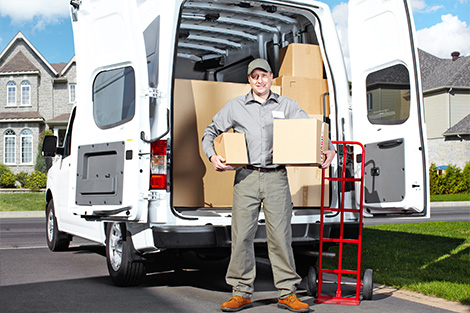
- Use mechanical aids: Dollies, lifting straps, or hand trucks can support solo lifting safely.
- Wear appropriate clothing and footwear: Non-slip shoes protect your grip and footing.
- Know your limits: If an object is too heavy or awkward, don't risk injury--ask for help.
Recognizing Signs of Strain or Injury
It's important to stop and reassess immediately if you feel any of the following during or after lifting:
- Sharp or persistent pain in the back, neck, or joints
- Muscle spasms, numbness, or tingling sensations
- Sudden weakness or inability to bear weight
- Swelling or bruising around joints
Never ignore suspect symptoms. Continuing to lift through pain can transform a minor strain into a major injury.
Situational Adjustments to Lifting Technique
Not every lifting scenario is the same. Here's how to adjust your strategy for specific challenges:
Lifting Overhead Objects
- Use a step ladder: If possible, decrease reach by elevating yourself to the object's height.
- Keep loads light: Avoid lifting heavy weights overhead alone.
- Maintain balance--do not stand on tiptoes while lifting.
Lifting from Awkward or Confined Spaces
- Assess whether you have room to squat and position yourself correctly.
- If not, slide the object to a more open area before lifting.
- Use gliding tools or boards to move loads to accessible spots.
Transporting Loads over Distance
- Rest periodically to avoid fatigue and slipping in concentration.
- Set the object down safely and correctly each time rather than rushing.
Adapting your approach is key to safe, effective solo lifting in any environment.
Incorporating Preventative Exercise for Better Lifting
Building physical strength and flexibility can make individual lifting safer and easier. Consider incorporating these exercise suggestions:
- Core strengthening: Planks, bridges, and abdominal workouts support your spine during lifts.
- Leg strengthening: Squats and lunges fortify the muscles used most during lifting.
- Flexibility training: Yoga and dynamic stretching help you maintain proper posture.
A balanced fitness routine gives you more confidence and resilience against potential strains or accidents.

FAQs on Proper Lifting Techniques for One Person
What should I do if I feel pain after lifting something alone?
Immediately rest and apply a cold pack to the area. If pain persists or you have trouble moving, seek medical evaluation. Avoid further lifting until symptoms resolve.
Are back belts or support braces effective in preventing strain?
Back braces can provide support for those with a history of injury or when lifting especially heavy items. However, they should never replace proper lifting form.
What's the maximal weight an individual should lift by themselves?
Guidelines vary by country and workplace, but a commonly suggested maximum for one person is around 25 kg (about 55 pounds) for adults. Always consider your own strength, health, and object size before attempting a lift.
Can lifting with poor technique cause long-term damage?
Yes. Chronic misuse of the back and improper lifting can lead to recurring pain, herniated discs, and even limited mobility over time. Consistently using correct lifting methods remains the best preventative measure.
Summary: Lift Smart, Stay Safe
Implementing correct lifting techniques for one person is about more than avoiding temporary pain; it's a commitment to long-term health and well-being. By assessing loads thoughtfully, maintaining strong body mechanics, avoiding rushed movements, and listening to your body's feedback, you can prevent strain and work more effectively--whether at home, on the job, or in the gym.
- Always rely on your legs and core, not your back.
- Plan every lift, no matter how small.
- Seek mechanical support or help when necessary.
- Practice healthy habits to keep your body strong and flexible.
Take a moment to review your lifting habits and try incorporating these techniques the next time you move an object. These small adjustments can make a world of difference in preventing injury and ensuring you live an active, pain-free life. Remember: proper solo lifting technique is always worth the extra care!