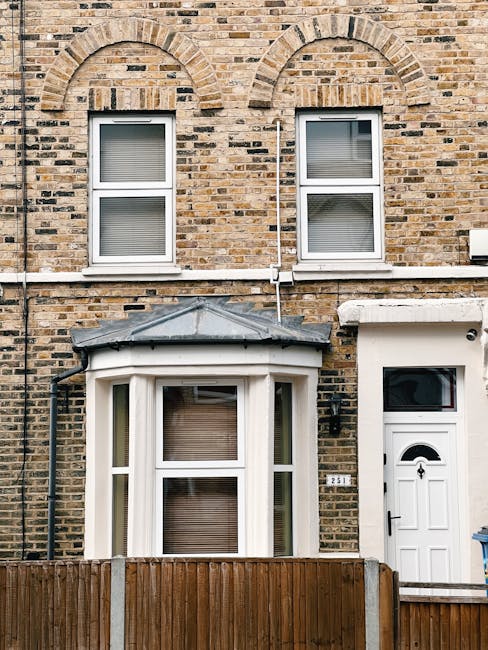
Protecting Fragile Antiques in Acton Terraced Homes
Protecting fragile antiques in Acton terraced homes is a very particular job. These properties often have narrow staircases, tight hallways, awkward landings, and not much room to swing a tea tray, let alone manoeuvre a porcelain vase or an old oak dresser. Add in years of family history, sentimental value, and the reality that one small knock can become a permanent mark, and suddenly the whole process feels a bit daunting.
The good news? With the right packing method, the right carrying plan, and a bit of patience, you can move, store, or simply reorganise antiques without turning the day into a nerve-jangling mess. This guide walks through the practical side of protecting delicate heirlooms in Acton homes, from risk points in period terraces to the best materials, handling methods, and decision-making steps. If you are also arranging a bigger household move, you may find it useful to look at home moves support or the broader house removalists service options as part of the planning.
Let's face it: antiques are not just "old stuff". They are often awkward, fragile, oddly shaped, and irreplaceable. That makes them worth treating with a lot more care than standard furniture.
Table of Contents
- Why Protecting Fragile Antiques in Acton Terraced Homes Matters
- How Protecting Fragile Antiques in Acton Terraced Homes Works
- Key Benefits and Practical Advantages
- Who This Is For and When It Makes Sense
- Step-by-Step Guidance
- Expert Tips for Better Results
- Common Mistakes to Avoid
- Tools, Resources and Recommendations
- Law, Compliance, Standards, or Best Practice
- Options, Methods, or Comparison Table
- Case Study or Real-World Example
- Practical Checklist
- Conclusion
- Frequently Asked Questions
Why Protecting Fragile Antiques in Acton Terraced Homes Matters
Terraced homes in Acton can be charming, practical, and full of character, but they are not exactly designed with antique logistics in mind. Narrow entrances, split-level rooms, low ceilings, and shared walls can make every movement feel ten times more delicate than it should. If you have ever tried to turn a long mirror at the top of a staircase, you will know the feeling. One awkward angle and everyone goes silent for a second.
Antiques are vulnerable in a few specific ways. First, many were made before modern transport standards and often have joints, veneers, hand-finished surfaces, or glass components that react badly to pressure and vibration. Second, emotional value tends to be far higher than market value. A chipped cabinet leg might not be "expensive" in strict financial terms, but it may be the thing your family has kept for generations. That changes the stakes.
In Acton, there is also a very practical local reality. Parking can be tight, access can be awkward, and moves often involve a fair bit of carrying between rooms, front steps, and vehicles. The more steps you add, the more opportunities there are for accidental knocks, scraped wood, or stress fractures. That is why protecting fragile antiques is not simply about wrapping them well. It is about planning the whole route, from shelf to stairwell to vehicle to final room.
Expert summary: The safest antique move is rarely the quickest one. In terraced homes, the best results usually come from slow handling, clear route planning, and materials chosen for the object rather than for the box.
If you are moving a wider household too, it can help to combine antique packing with a structured service such as packing and unpacking services. That does not remove your responsibility for valuable items, but it can reduce the number of rushed moments where mistakes happen.
How Protecting Fragile Antiques in Acton Terraced Homes Works
At its core, antique protection works by reducing four kinds of risk: impact, vibration, moisture, and pressure. The method is simple in theory and a bit more fiddly in practice. You assess each item, decide how fragile it really is, choose a wrapping and boxing method, then make sure the carrying route is as controlled as possible. Sounds tidy. Real life, as always, is a little messier.
The first step is recognising the object type. A porcelain figurine needs different treatment from a carved side table. A framed print has different weak points from an inlaid writing desk. Old wood may crack if it dries out too much, while gilt frames can mark easily from sticky or rough materials. Even within the same room, you may need different approaches for each piece.
Then comes handling. In terraced homes, the issue is often not the object itself but the environment around it. There may be a narrow bend on the stairs, a bannister that sits too close to the wall, or a doorway that forces a sideways shuffle. The best method is to pre-plan those awkward points and remove anything that can snag, bump, or get underfoot. One misplaced shoe, and suddenly everyone is acting out a domestic obstacle course.
Finally, you protect the item during transit or storage. That means using cushioning, separating surfaces, keeping weight distributed evenly, and avoiding overpacked boxes. For longer storage, climate consistency matters too. Antique wood, paper, fabrics, and ceramics all behave better in stable conditions than in damp or overheated spaces.
Key Benefits and Practical Advantages
Good antique protection does more than stop damage. It makes the whole moving or storage experience calmer, cleaner, and more efficient. That matters when the item is valuable, but it matters just as much when the item is sentimental and you want to know it will come out the other side in the same condition.
- Less risk of breakage: Proper wrapping and route planning reduce knocks, drops, and pressure damage.
- Better control in tight spaces: Terraced homes often demand careful turns, shorter carrying distances, and clear paths.
- Reduced surface wear: Quality materials protect varnish, polish, gilt, paint, and glass from abrasion.
- More confident handling: When everything is packed correctly, people move more calmly. That alone helps.
- Lower chance of storage issues: Controlled conditions help antiques avoid damp, mould, warping, and corrosion.
- Peace of mind: You are not left wondering whether that one sideboard got a hidden crack under the wrapping.
There is also a practical benefit that gets overlooked: better protection often saves time later. Unclear packing tends to create confusion at unloading, which leads to more lifting, more unwrapping, and more opportunities for a careless bump. Clear, purposeful packing makes the whole process feel cleaner. You notice it immediately.
Who This Is For and When It Makes Sense
This approach is relevant for anyone handling fragile heirlooms in an Acton terrace, but some situations clearly need more care than others. If your home includes steep stairs, a compact hallway, or rooms packed with furniture, the risks rise quickly. So do they if you are dealing with older items that were not made to survive modern transit.
You will especially benefit from a careful protection plan if you are:
- moving house within Acton or nearby London streets
- clearing a family property after downsizing
- placing antiques into temporary storage during decorating or refurbishment
- handling delicate inherited items with unknown condition histories
- moving a mix of standard furniture and a few high-risk pieces
- trying to reduce the stress of a move with children, pets, or tight time windows
It also makes sense if you are moving items that may appear sturdy but are actually vulnerable in hidden ways. For example, a wooden cabinet may look solid, but old glue joints can loosen under vibration. A framed oil painting may seem fine until the surface catches on an edge. Antique objects often surprise people like that. They look tougher than they are. A bit like some old people's handwriting, to be fair-perfectly legible to them, impossible to everyone else.
If the move is part of a larger domestic change, a service such as man and van support can be useful for smaller or more flexible loads, while removal truck hire may suit bigger, more planned transport needs. The key is matching the vehicle and handling method to the antiques, not the other way around.
Step-by-Step Guidance
A careful antique move starts well before the box tape comes out. Here is a practical process that works well in real terraced homes, where room sizes and access routes often dictate the pace.
1. Inspect each item properly
Look for loose joints, cracks, old repairs, missing feet, lifting veneer, and fragile decorative parts. If something is already unstable, it should be treated as high risk. Photograph the item beforehand so you can compare condition afterwards. It sounds obvious, but in the middle of a move obvious things get forgotten.
2. Clean lightly, not aggressively
Dust can scratch surfaces, but over-cleaning can do more harm than good. A soft, dry cloth is usually safer than anything damp or chemically strong. If the item has a sensitive finish, leave deep cleaning to a specialist rather than improvising with household products.
3. Choose the right wrapping layers
Use soft, non-abrasive layers closest to the object. Then add cushioning around edges, corners, and protruding details. Delicate carvings, handles, and finials need particular attention because they are the first things to snap under pressure. Avoid anything that can print, stain, or stick to the surface.
4. Select boxes and crates with enough room
Boxes should protect, not crush. The item needs enough space for cushioning all around it, but not so much room that it shifts during movement. If a piece is unusually shaped, a custom crate or rigid case may be better than trying to make a standard box do the impossible. Standard boxes are fine. Until they are not.
5. Label clearly and honestly
Mark fragile boxes in a way that is easy to read, and include handling notes where useful. If a package must stay upright, say so. If it contains glass, ceramic, or a mirror, make that visible before anyone lifts it. Clear labels are not a luxury; they are a small prevention tool.
6. Plan the route before lifting
Open doors, remove trip hazards, check turning space, and think about where the item will pause if you need to adjust grip. In terraced homes, staircase landings are often the most difficult point. If needed, rehearse the turn with two people before committing to the move.
7. Load the vehicle with stability in mind
Heavy, stable items should support the load. Fragile antiques should not be trapped beneath awkward furniture or left to rattle against hard surfaces. A moving vehicle that is tidy, balanced, and padded properly can make a huge difference to the outcome.
8. Unpack with the same care you used to pack
It is easy to rush the last stage because everyone is tired and wants the job done. That is often where careless damage happens. Unpack slowly, check the condition of each piece, and place items on clean surfaces until they are ready for display or storage.
Expert Tips for Better Results
There are a few habits that consistently improve outcomes, especially in older Acton properties. None of them are dramatic, which is exactly why they work.
- Use two people for awkward items: Even a lightweight antique can be hard to balance on stairs.
- Protect corners first: Corners tend to get hit before flat surfaces do.
- Keep materials dry and clean: A slightly damp blanket can create more problems than it solves.
- Separate delicate surfaces: Glass against wood, or metal against lacquer, is asking for trouble.
- Test door widths before moving day: It saves a lot of awkward sideways shuffling later.
- Move one item at a time: This sounds slow, but it usually goes faster overall because mistakes fall away.
Another useful habit is to think in stages. Pack, then stage near the exit, then load, then unload, then place. Breaking the process into smaller pieces reduces rushing. It also makes it easier to spot when something is going off track. If one stage feels rushed, pause there. Not glamorous, but sensible.
If you need stronger lifting support or a vehicle with more usable loading space, services such as moving truck arrangements can help create a more controlled transfer, especially for bulkier antique furniture. The idea is to keep movement smooth rather than clever. Smooth beats clever almost every time.
Common Mistakes to Avoid
Most antique damage does not come from one dramatic catastrophe. It comes from small, ordinary mistakes that add up. The kind people barely notice in the moment.
- Using thin, scratchy, or contaminated packing material: Old boxes, rough blankets, and dirty wrapping can mark surfaces.
- Wrapping too tightly: Pressure on delicate joints or decorations can be damaging.
- Leaving movement points exposed: Handles, legs, and edges need extra protection.
- Assuming every antique is sturdy: Age does not equal strength. Quite the opposite sometimes.
- Ignoring humidity and damp: Basements, sheds, and poorly ventilated spaces are risky for many antiques.
- Carrying items solo because they "seem manageable": That phrase has caused more trouble than it should.
- Loading items in a hurry: Fast loading creates friction, and friction creates damage.
A particularly common mistake in terraced homes is underestimating stair corners. A piece may be fine in the room, but once it reaches the turn, the angle changes, the grip shifts, and people instinctively twist harder. That twist is often where the damage starts. Slow hands. Steady feet.
Tools, Resources and Recommendations
You do not need a warehouse full of specialist gear to protect fragile antiques properly, but the right few tools make a noticeable difference. Think practical rather than fancy.
| Tool or Material | Best Use | Why It Helps |
|---|---|---|
| Soft packing paper | Wrapping surfaces and separating layers | Reduces abrasion without sticking to finishes |
| Bubble wrap | Cushioning non-sensitive outer layers | Protects against impact and vibration |
| Blankets or quilted pads | Wrapping furniture and large objects | Helps prevent knocks on stairwells and doorframes |
| Strong boxes or crates | Smaller objects, grouped items, fragile parts | Keeps items stable during transport |
| Corner protectors | Frames, furniture edges, glass pieces | Shields the most vulnerable contact points |
| Labels and marker pens | Clear handling instructions | Reduces confusion at loading and unloading |
For people who want extra help with the physical side of the move, man with van support can suit smaller antique collections or mixed loads when flexibility matters more than scale. If you are moving a whole household and want a broader service approach, you might also look at home moves options for a more structured process.
Where possible, keep a few storage basics on hand too: clean dust sheets, fresh tape, a tape measure, and a notebook for item notes. Not glamorous, granted. But very useful when you are standing in a hallway wondering whether the cabinet will actually fit through the door it came in through twenty years ago.
Law, Compliance, Standards, or Best Practice
For most households, antique protection is less about legal compliance and more about following sensible moving best practice. That said, there are a few practical points worth keeping in mind if you are hiring help, using storage, or arranging transport in London.
First, any removal arrangement should be clear on responsibilities, access, and handling expectations. Read terms carefully so you understand what is covered, what is excluded, and what to do if an item is already fragile or has known damage. If you are booking a professional service, this is where good communication matters. A team cannot protect what it does not know is delicate.
Second, storage conditions matter. Antiques generally do better in clean, dry, stable environments than in damp, fluctuating, or overcrowded spaces. That is a practical standard rather than a legal one, but it makes a real difference. If you are unsure whether a piece can cope with storage, it is sensible to ask before placing it away.
Third, if an item is particularly valuable, unusually fragile, or structurally compromised, specialist handling may be the right call. There is no prize for DIY bravery if the object is irreplaceable. Sometimes the best move is simply to slow down and get the right support.
You can review general service expectations and company information through the site's about us, terms and conditions, and privacy policy pages if you are comparing options or clarifying how a move is handled.
Options, Methods, or Comparison Table
Not every antique needs the same level of intervention. Choosing the right method depends on size, fragility, value, and how far the item has to travel. Here is a simple comparison to help with decision-making.
| Method | Best For | Strengths | Limitations |
|---|---|---|---|
| Basic careful wrapping | Small decorative antiques, books, ceramics | Quick, inexpensive, suitable for low-risk items | Not ideal for high-value or unusually fragile pieces |
| Layered protective packing | Mixed household antiques, framed items, smaller furniture | Better shock absorption and surface protection | Needs more time and more material |
| Rigid crate or specialist case | Rare, fragile, or highly awkward items | Strongest protection against knocks and pressure | More expensive and less convenient |
| Professional handling with vehicle support | Large collections, heavy antiques, stair-heavy homes | Reduces physical risk and coordination stress | Requires booking and clear planning |
The main trade-off is always the same: convenience versus protection. If an item is sentimental but not especially fragile, careful packing may be enough. If it is structurally delicate, expensive, or difficult to replace, it deserves more than "best effort".
Case Study or Real-World Example
Picture a classic Acton terrace with a steep staircase and a hallway just wide enough for everyday life, but not much more. A family is moving out after several years, and among the normal boxes are three items they care about deeply: a Victorian side table, a framed mirror, and a ceramic lamp inherited from a grandparent.
The side table is the awkward one. It looks solid, but a close look shows a little movement in one leg. Instead of wrapping it quickly and hoping for the best, the family clears a route, removes a hallway basket that would have snagged a shoulder, and pads each corner separately. The mirror is wrapped flat, with extra protection on the frame edges. The lamp is packed in a smaller box so it cannot shift around and knock against the sides.
Nothing dramatic happens. That is the point. The move is calmer because the fragile items have been separated from the general chaos of the day. At unloading, each piece is checked before being put down. The side table arrives without further loosening, the mirror is intact, and the lamp still has that faintly dusty warm smell that old ceramics sometimes carry. Job done, and everyone can breathe again.
What made the difference? Not luck. Planning, restraint, and not trying to move everything at once. That last part matters more than people expect.
Practical Checklist
Use this quick checklist before moving or storing fragile antiques in an Acton terraced home:
- Inspect each item for cracks, loose parts, or weak joints
- Photograph items before packing
- Choose soft, clean wrapping materials
- Protect corners, handles, glass, and carved details first
- Use boxes or crates that fit the item properly
- Keep fragile items separate from heavier furniture
- Plan stair turns, landings, and doorway widths in advance
- Label items clearly with upright or fragile instructions
- Avoid damp storage areas and temperature swings
- Unpack slowly and check condition immediately
If you want the move handled with less strain, it can help to line up the transport side of the job early. That might mean arranging furniture pick up for bulky pieces that are no longer needed, or using commercial moves support where antiques are part of a business or trade collection rather than a domestic one.
Get a free quote today and see how much you can save.
Conclusion
Protecting fragile antiques in Acton terraced homes is really about respect: respect for the object, the property layout, and the pace needed to do the job properly. Narrow staircases and compact rooms do not leave much room for error, so the safest approach is almost always the simplest one-prepare well, carry carefully, and do not rush the awkward bits.
Whether you are moving a single heirloom or an entire collection, the same basics apply. Use the right materials, plan the route, keep handling calm, and avoid treating old pieces like everyday furniture. That extra care is what preserves value, memory, and peace of mind. And honestly, peace of mind counts for a lot on moving day.
If you are still at the planning stage, explore the site's service pages, review the company information, and decide what support makes sense for the items you have. A careful move feels lighter than a rushed one, even when the boxes are still heavy.
Some things are worth taking slowly.
Frequently Asked Questions
What is the safest way to move fragile antiques in a terraced house?
The safest method is usually a combination of careful wrapping, clear route planning, and two-person handling for awkward items. In terraced homes, the stairs and turns matter as much as the packing itself.
Do I need special packing materials for antiques?
Yes, in most cases. Soft packing paper, clean blankets, cushioning, and sturdy boxes or crates are much better than random household packing. The main aim is to prevent scratching, vibration, and pressure damage.
Can I use bubble wrap directly on old wooden furniture?
It is usually better not to place bubble wrap directly against delicate or polished finishes. A soft protective layer underneath is safer, especially for antiques with varnish, veneer, or decorative paint.
How do I protect antique mirrors and framed artwork?
Protect the corners first, then wrap the frame securely and keep the item upright unless the piece specifically needs to be carried flat. Glass surfaces should be stabilised so they cannot flex or rattle during movement.
What should I do if an antique already has a crack or loose joint?
Treat it as higher risk. Avoid extra pressure on the weak area, move it slowly, and consider whether the item should be handled by someone with more experience. A pre-existing fault can worsen quickly if rushed.
Is storage safe for fragile antiques?
It can be, but only if the storage environment is dry, clean, and stable. Damp, overheating, and frequent temperature swings are all concerns for wood, paper, fabric, and metal items.
Should antiques be moved separately from the rest of the house contents?
Often, yes. Separating fragile items from standard furniture reduces the chance of rushing, stacking, or accidental knocks. It also makes unpacking far easier.
How far in advance should I prepare antiques for a move?
Ideally, give yourself enough time to inspect, clean lightly, pack, and label the items without pressure. Even one evening of calm preparation can make a noticeable difference on the day.
What makes Acton terraced homes more difficult for antique moves?
The main issues are narrow staircases, tight entrances, limited parking access, and close room layouts. These features make turning and lifting more awkward, which increases the risk of bumps and scrapes.
Can a man and van service handle antique items?
It can, provided the service is suitable for the size of the load and the antiques are packed properly. Smaller, flexible moves may be a good fit, but the handling approach still needs to be careful.
What is the biggest mistake people make with fragile antiques?
Rushing. People often underestimate how much time the packing and carrying stages need, especially in older houses. That is usually where avoidable damage happens.
How do I know whether I need professional help?
If the item is highly valuable, unusually fragile, difficult to carry, or part of a larger stressful move, professional help is worth considering. The right support can reduce risk and make the whole process much calmer.