West Acton Station Movers Practical Access Tips
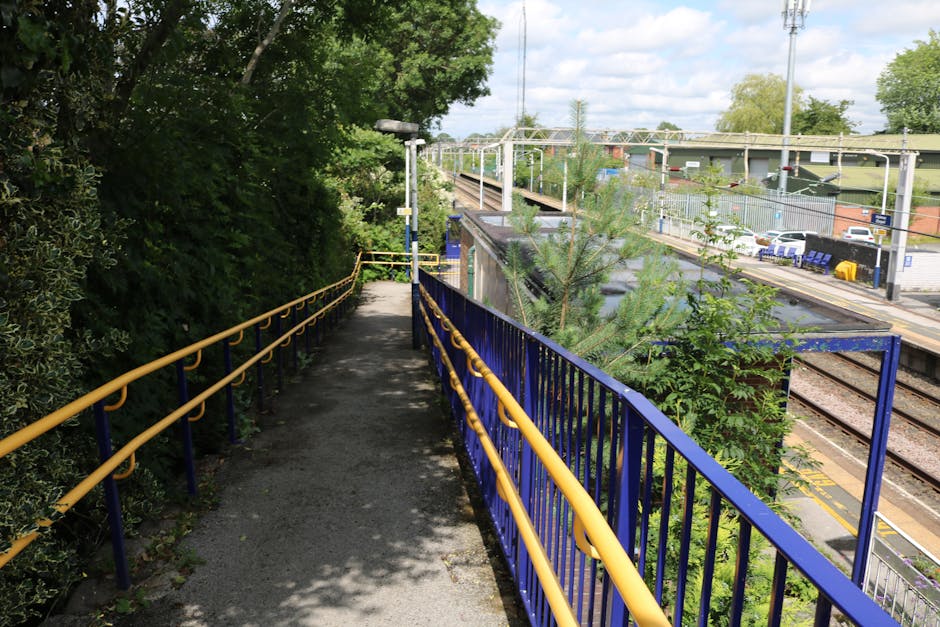
Moving near a station can feel simple on paper and messy in real life. West Acton has the usual London mix: narrower roads, busy pickup windows, pedestrians heading to the Tube, and the constant question of where a van can safely stop for ten minutes without causing a scene. If you are planning a move, these West Acton Station Movers Practical Access Tips will help you avoid delays, reduce risk, and keep the day moving without the usual last-minute scramble.
In practice, access is often the difference between a calm move and a day full of awkward carrying, double parking, and "we'll just make one more trip" energy. That is not what anyone wants. This guide breaks down how station-area access works, what to check before moving day, and how to make the whole thing easier whether you are moving a flat, an office, or a few bulky items. Let's make it properly manageable.
Table of Contents
- Why West Acton Station Movers Practical Access Tips Matters
- How West Acton Station Movers Practical Access Tips Works
- Key Benefits and Practical Advantages
- Who This Is For and When It Makes Sense
- Step-by-Step Guidance
- Expert Tips for Better Results
- Common Mistakes to Avoid
- Tools, Resources and Recommendations
- Law, Compliance, Standards, or Best Practice
- Options, Methods, or Comparison Table
- Case Study or Real-World Example
- Practical Checklist
- Conclusion
- Frequently Asked Questions
Why West Acton Station Movers Practical Access Tips Matters
Access sounds like a small detail until it becomes the only thing that matters. Near West Acton Station, the flow of traffic, the way cars pause and pull away, and the general rhythm of local streets can all affect how quickly movers can load or unload. If your van cannot get close to the property, the team ends up carrying boxes further than expected. That means extra time, extra fatigue, and a greater chance of something getting knocked, scuffed, or forgotten in the back corner of the van.
This matters for residents, landlords, tenants, small businesses, and anyone moving furniture through a busy pocket of West London. A clean access plan also helps neighbours. Nobody enjoys a blocked road, a beeping reversing van, or a sofa sitting in the pavement while everyone tries to squeeze past with shopping bags and a coffee. To be fair, most move-day tension comes from access, not from lifting itself.
If you are comparing services, it is sensible to look at providers who understand local moving logistics as well as the packing, vehicle, and lifting side of the job. For example, a company offering man and van services or house removalists should be able to talk you through parking, carry distance, and timing in plain English.
How West Acton Station Movers Practical Access Tips Works
The basic idea is simple: you map the access before moving day so the crew can arrive, park, load, and leave with minimal friction. In a station area, that usually means checking three things: where the vehicle can stop, how far the items will need to be carried, and whether the route from the property to the van is free of obstacles.
Think of it as a short chain. The van needs a legal or at least workable stopping point. The path to the entrance needs to be clear. The inside route needs to be safe for turning corners, stairs, narrow hallways, and door thresholds. If any one link is weak, the whole process slows down. You will notice it quickly, usually when the first heavy item reaches the pavement and everyone has that slight "right, this is going to be a long one" look.
For homes, the access plan often includes lift use, stair width, front-door clearance, and whether key items need dismantling. For commercial moves, it can also include office block entry rules, shared loading bays, and whether you need extra help with packing. Services such as home moves, office relocation services, and packing and unpacking services can make a very real difference here because they reduce the number of trips and the amount of stop-start handling.
A good access plan is not just about the vehicle. It is about sequencing. Which item goes first? Which boxes can wait? Which furniture should come apart before the van arrives? The smoother the sequence, the less stress on the day. Simple, but easy to get wrong.
Key Benefits and Practical Advantages
There are a few clear wins when you approach station-area moving with access in mind.
- Faster loading and unloading: Less walking between the property and the vehicle means the job stays on schedule.
- Lower risk of damage: Shorter carry distances and better route planning reduce bumps on doors, stair rails, and furniture corners.
- Less disruption for neighbours: Careful parking and quicker turnaround are simply better manners in a busy residential area.
- Better vehicle choice: Knowing the route helps you choose between a compact van, a larger removal vehicle, or a truck hire option.
- More accurate quotes: If the mover understands access conditions, estimates tend to be more realistic. No one likes a surprise on the invoice.
There is also a quieter benefit: peace of mind. When the access plan is thought through, you stop worrying about whether the van will fit or whether the wardrobe can come down the stairs without a drama. That calm matters. Moving day already has enough moving parts, as the saying goes.
If you are only moving a few large items, a flexible option such as furniture pick up or man with van support can be much more efficient than booking a full-size vehicle you barely need.
Who This Is For and When It Makes Sense
This kind of access planning is useful for almost anyone moving near West Acton Station, but some people benefit more than others.
- Flat movers: Especially if you are on an upper floor, have narrow stairs, or share a building entrance.
- Families moving house: More belongings, more furniture, more chances for bottlenecks.
- Small business owners: Office equipment, desks, chairs, and files need careful handling and timed access.
- Landlords and tenants: End-of-tenancy moves often happen under time pressure, so parking and route planning matter even more.
- Anyone with bulky or fragile items: Beds, wardrobes, appliances, mirrors, and glass tables need straightforward access.
It also makes sense if you are coordinating with a larger move team or a hired truck. In some cases, a moving truck is the right choice; in others, a smaller removal truck hire setup works better because it is easier to position on local roads. That decision is usually about access first and volume second.
One practical rule: if you think the vehicle may have to park further away than you would like, assume the move will take longer than planned. Then build in a buffer. It is boring advice, yes, but it saves the day.
Step-by-Step Guidance
Here is a straightforward way to handle West Acton Station access without making it a project of its own.
- Walk the route in advance. Start from the front door and trace the path to the nearest realistic stopping point for a van. Check for narrow gates, steps, low walls, bollards, overhanging branches, and awkward corners.
- Measure the awkward bits. You do not need a surveyor's notebook. Just know whether the sofa will clear the stair turn, whether a bed frame needs dismantling, and whether the fridge can be moved upright.
- Identify loading constraints. Look for resident bays, visitor bays, curb space, access gates, or building restrictions. If the street gets tight at school-run or commuter times, plan around that rather than hoping for the best.
- Sort your items by carry difficulty. Heavy and fragile items should be ready first. Boxes can wait. Randomly packed bags? Those are the ones that somehow disappear into a pile and reappear three days later with your kettle in them.
- Decide what should be dismantled. Flat-pack furniture, beds, and some desks move better in parts. This can cut carry time and reduce snagging on tight corners.
- Tell the movers about the access honestly. If the road is tight, say so. If the lift is small, say so. If there is a long walk from the parking spot, definitely say so. Accuracy helps everyone.
- Prepare the property for quicker movement. Clear hallways, prop doors if safe to do so, protect floors if needed, and keep keys, fobs, and codes handy.
- Confirm the timing. Station areas can be busiest at certain times of day. A slightly earlier or later start can sometimes save a surprising amount of hassle.
If your move involves extra packing help or commercial equipment, it is worth looking at commercial moves or full packing and unpacking services so the access plan and the packing plan work together rather than against each other.
Expert Tips for Better Results
Here are the details that experienced movers pay attention to, and honestly, these are the bits that tend to save time.
- Choose the right vehicle size for the street, not just the load. A slightly smaller van can be easier to position and may reduce walking distance. A larger vehicle is not always the smarter move.
- Keep the front path clear the night before. Shoes, bins, plants, prams, and random storage boxes all become obstacles when everyone is carrying something heavy.
- Use a simple room-by-room sequence. Loading in order helps reduce back-and-forth. For example, start with wardrobes and beds, then boxes, then loose items.
- Label anything that needs priority handling. A "last off" box is often more useful than a neatly packed one when you arrive tired and half hungry.
- Check if a disassembly tool kit is needed. A screwdriver, Allen keys, tape, and a few zip bags for fixings can prevent that awkward post-move hunt for missing bolts.
And one more thing: do not underestimate rain. London weather has a sense of timing. A dry move is smoother, but a wet one can still go well if the access route is planned, mats are ready, and people are not improvising around slick steps.
For many customers, the best result comes from combining access planning with a service that suits the scale of the move. A compact job might suit man and van, while a larger family move may need house removalists and a more structured loading plan. Simple question: what will actually make the day easier?
Common Mistakes to Avoid
Most moving problems near station areas are predictable. That is the annoying part, really. The good news is they are also avoidable.
- Assuming the van can stop anywhere. In a busy area, that can be a costly assumption. A plan for stopping space matters.
- Not checking stair or lift limitations. A wardrobe that barely turns in the hallway can turn a tidy move into a slow one.
- Leaving packing too late. Last-minute packing creates loose items, poor labelling, and confusion about what goes where.
- Forgetting about neighbours or building rules. Shared entrances, loading restrictions, and quiet hours can all affect timing.
- Underestimating carry distance. Fifty extra metres can sound small. On moving day, it really is not.
- Booking the wrong type of service. If your job is furniture-heavy, the wrong vehicle or crew size can make everything harder than it needs to be.
A quiet mistake people make is not mentioning a slight problem because they do not want to sound awkward. But in moving, awkward truth is useful. "The lift is tiny." "The road is tight." "The sofa is heavier than it looks." That sort of honesty helps, and no one gets offended. Usually.
Tools, Resources and Recommendations
You do not need a lot of specialist equipment, but a few practical tools make station-area moving much easier.
- Measuring tape: Useful for stairs, doors, and furniture dimensions.
- Furniture blankets and straps: Help protect items and keep them secure during short transfers.
- Trolley or sack truck: Handy for boxes and appliances if the route is smooth enough for wheels.
- Labels and marker pens: Keep rooms and priority items clear.
- Basic toolkit: Helpful for beds, desks, shelving, and flat-pack furniture.
- Floor protection materials: Especially useful in hallways or communal entrances with scuff-prone surfaces.
On the service side, it can help to compare whether you need a simple vehicle-only arrangement or a more complete support package. A home moves service is often the best fit for a full household relocation, while furniture pick up may be more sensible for single-item or multi-item collections. If you need extra assistance with loading and vehicle management, man with van support can be a good middle ground.
For businesses, access often links directly to downtime. A well-timed move, with the right team and vehicle, helps reduce disruption. That is why office relocation services are worth considering when desks, chairs, and equipment all need to be moved in a controlled sequence.
Law, Compliance, Standards, or Best Practice
For a move near West Acton Station, the main compliance issues are usually practical rather than complicated. You may need to respect parking restrictions, building access rules, shared driveway arrangements, and general road safety expectations. The details vary depending on the property, the vehicle, and the street layout, so it is sensible to check locally and plan conservatively.
Best practice usually means avoiding obstruction, keeping walkways clear, and making sure the loading process does not create unnecessary risk for people walking past. In a station area, that is especially important because foot traffic can be steady and less predictable. A mover who works carefully will usually try to minimise blocking and keep items under control at all times.
It is also wise to follow standard moving safety habits: lift with care, do not overstack boxes, keep fragile items separated, and use the right equipment for awkward or heavy pieces. If a building has specific access instructions, follow them. If a road is too tight for safe loading, it may be better to adjust the plan than force the issue. That is just good practice, nothing fancy.
When in doubt, make the move simpler. Simpler is often safer. And safer is usually cheaper in the long run, even if it feels a little less heroic on the day.
Options, Methods, or Comparison Table
Not every move near West Acton Station needs the same setup. Here is a useful comparison of common approaches.
| Option | Best For | Strengths | Limitations |
|---|---|---|---|
| Man and van | Small to medium moves, flexible access | Easy to book, good for tighter streets, efficient for fewer items | May not suit larger household loads or multiple heavy pieces |
| Man with van | Single-item collections, partial moves, mixed loads | Practical, adaptable, often ideal where access is straightforward but space is limited | Less suitable for full-house removals |
| House removalists | Full home relocations | Structured support, better for larger inventories, easier coordination | Can be more than you need for lighter jobs |
| Moving truck | Large volumes or long-distance loading needs | More capacity, fewer trips, good when access and space are well managed | Harder to position in tight or congested streets |
| Removal truck hire | People managing their own loading team | Useful if you already have labour and just need the vehicle | Requires more coordination and manual handling |
As a rough rule, choose the option that reduces carrying distance and confusion, not the one that sounds the biggest. Bigger is not always better. Sometimes it is just harder to park.
Case Study or Real-World Example
Imagine a two-bedroom flat move near West Acton Station on a weekday morning. The property is on an upper floor, the stairwell turns sharply halfway up, and the road outside is busy enough that stopping for long is awkward. The household has a bed frame, a sofa, a dining table, several boxes, and a couple of fragile mirrors. Nothing outrageous, but enough to become fiddly if the access is not managed well.
In a case like that, the most effective plan would usually be to call out the access issues early, arrive with the right size vehicle, and load in a deliberate sequence. The bed frame comes apart first. Fragile items are protected and loaded safely. Boxes are grouped by room. The mover keeps the time spent at the kerb as short as possible, so the van is not lingering where it should not be.
What changes the outcome is not just muscle. It is timing, route choice, and being honest about the building. One customer might think, "The parking is a bit annoying but manageable," while the moving team looks at it and spots a much easier stopping point a short walk away. That sort of judgement is exactly why local practical experience matters.
On the day, the move feels calmer than expected. A little noisy, sure. Some tape tearing, a door squeak, a quick breath on the stairs. But calm. And that is the goal.
Practical Checklist
Use this checklist before moving day. It is simple, but it covers the things people forget when life gets busy.
- Confirm the exact moving address and any building access codes or fobs.
- Check where a van can realistically stop near West Acton Station.
- Note any parking restrictions, time limits, or loading rules.
- Measure doors, stair turns, lifts, and the largest furniture pieces.
- Decide which items need dismantling.
- Label boxes by room and priority.
- Clear hallways, stairs, and entrances.
- Protect fragile items and secure loose parts.
- Keep a toolkit, tape, and important documents together.
- Tell the mover about obstacles, tight spaces, and long carry distances.
- Plan the move for a quieter time of day where possible.
- Have a back-up plan if the nearest stop is unavailable.
Expert summary: the best access plan is the one that removes guessing. If the mover knows the street, the carry route, and the furniture profile before arrival, the job usually feels much less stressful. Honestly, that is half the battle right there.
Get a free quote today and see how much you can save.
Conclusion
West Acton Station moves are rarely difficult because of one huge problem. They usually become difficult because of lots of small, avoidable ones: a tight street, a late start, an awkward stairwell, a van that is too large, or boxes that were packed in a rush. Practical access planning smooths those edges out before they become trouble.
If you take one thing from this guide, let it be this: map the route, be honest about the access, and choose the right moving support for the job. A well-planned move feels lighter, even when the boxes are not. And on a busy day in London, that bit of calm is worth a great deal.
When the last box is inside and the van pulls away, you will be glad you spent a little time on access. It really does make the difference.
Frequently Asked Questions
What does practical access mean for a move near West Acton Station?
It means planning how the vehicle will stop, how far items must be carried, and whether the building layout makes loading or unloading awkward. In station areas, that planning often matters more than people expect.
Why is access such a big issue for local movers?
Because even a short extra carry can slow the whole job, increase fatigue, and make it harder to protect furniture. Good access keeps the move efficient and safer.
Should I book a man and van or a full removal service?
If you are moving a smaller load or a few bulky items, a man and van setup may be enough. For full-house moves or larger, more complex loads, a removal team is usually the better fit.
How do I know if my street can handle a larger vehicle?
Look at the width of the road, nearby parked cars, turning space, and whether there is a realistic place to pause without causing problems. If you are unsure, describe the street honestly to the mover rather than guessing.
What should I measure before move day?
Measure the widest furniture pieces, doorways, stair turns, and lift dimensions if relevant. You do not need perfection, just enough to avoid obvious surprises.
Can access issues affect the quote?
Yes, they can. A property that needs longer carry distances, careful parking, or extra labour may take more time. Clear information usually leads to a more accurate quote.
Is it better to move early in the day?
Often, yes. Early starts can help avoid heavier traffic and give you more flexibility if loading takes longer than planned. That said, the best time depends on the street and the building.
What if the van cannot stop right outside my property?
Then the team may need to load from a nearby legal stopping point. That is not unusual in London. The key is to plan the carry route and keep items organised so extra distance does not cause delays.
Do I need special equipment for station-area moves?
Not always, but furniture blankets, straps, a trolley, and a basic toolkit are often very useful. They make handling easier and help protect items during short transfers.
What are the most common mistakes people make?
The biggest ones are leaving packing too late, underestimating carry distance, not checking parking limitations, and failing to mention access problems. Those four alone cause plenty of headaches.
How can office moves near West Acton Station stay on schedule?
By planning access carefully, arranging the right vehicle, keeping equipment labelled, and using a service that understands commercial timing. Office relocations work best when the loading sequence is organised from the start.
Where should I go if I need to ask about a move?
If you want to explore service options, learn more about the company, or ask about your move, the most direct next step is to visit the contact page and share your access details clearly.
Can a small furniture-only move still need access planning?
Absolutely. A single sofa or wardrobe can be more awkward than a few boxes if the route is tight. Small jobs can still benefit a lot from careful planning.
What is the simplest way to reduce stress on moving day?
Prepare the route, label everything clearly, and tell the movers the awkward bits in advance. That small bit of honesty saves time and usually keeps everyone calmer.